



 English
  中文简体
中文简体 
HOME / NEWS / Industry News / Dust-Free Foam Swabs: Materials, Structure and Selection Guide
Content
What Makes a Foam Swab "Dust-Free" in the First Place
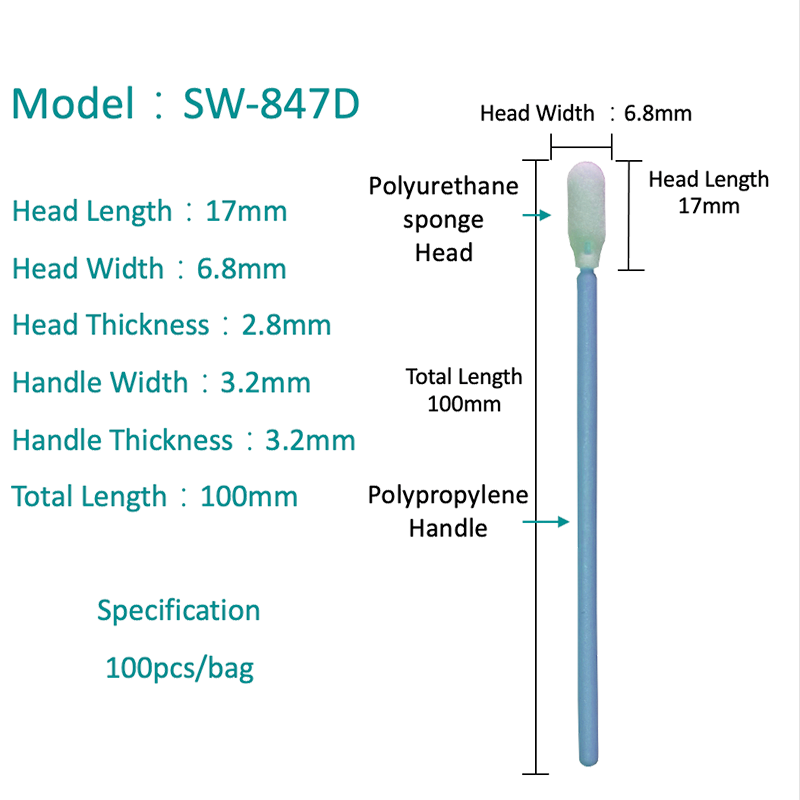
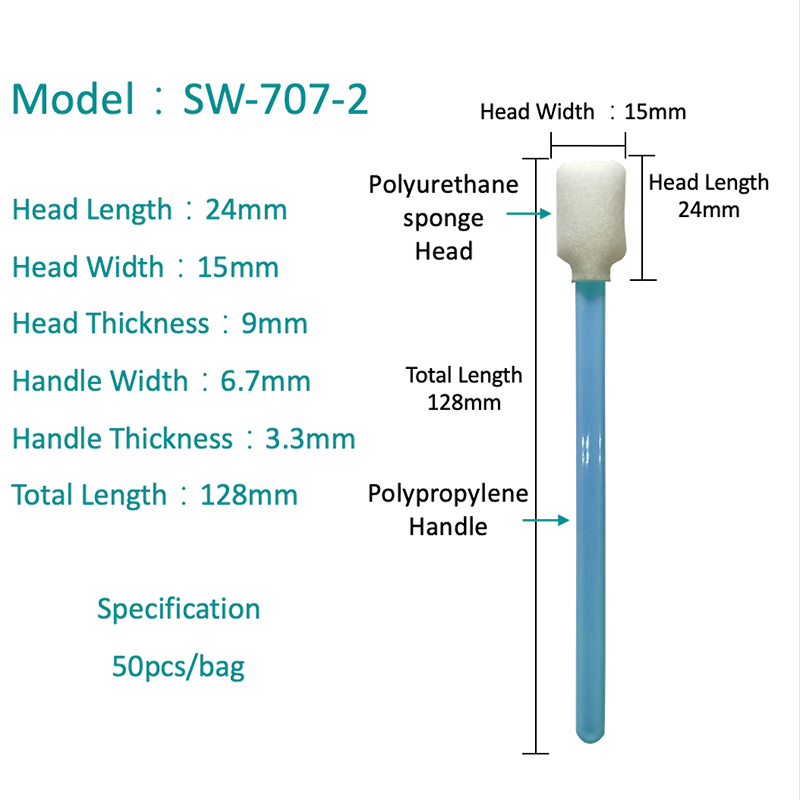
A dust-free foam swab earns that label through two design details working together: the foam itself and how it's attached to the handle. Most dust-free swabs use open-cell polyurethane foam, which offers excellent solvent compatibility and absorbency while releasing far fewer loose particles than cotton or other fibrous tip materials. Just as important is the assembly method — quality swabs thermally bond the foam head to the handle rather than using adhesive, sealing the edges so no exposed fiber or glue residue can shed into the work area. This combination is what separates a genuinely dust-free swab from a standard foam swab that simply looks similar on the shelf.
Open-Cell vs. Closed-Cell Foam: Absorbency vs. Durability
The internal structure of the foam determines how the swab behaves in use, and this is a spec worth understanding rather than guessing at. Open-cell foam has interconnected pores that wick and hold liquid readily, making it highly absorbent and well-suited to applying or removing solvents, adhesives, and lubricants. Closed-cell foam has isolated, sealed pores, which makes it less absorbent but noticeably more durable and resistant to abrasion — a better fit for repeated wiping or scrubbing tasks where the swab needs to hold its shape under mechanical stress rather than saturate quickly.
| Foam Structure | Absorbency | Best Suited For |
|---|---|---|
| Open-cell | High | Solvent application/removal, adhesive cleanup |
| Closed-cell | Lower | Repeated wiping, higher-abrasion cleaning tasks |
Comparison of open-cell and closed-cell foam structures used in dust-free swab construction.
Where Precision Applications Actually Push the Design Further
Standard dust-free foam swabs cover most general cleanroom and electronics work, but precision-critical tasks — fiber optic alignment, micro-bonded device assembly, optical surface cleaning — have driven the development of engineered foam variants with a multi-pore, variegated surface structure. This structure increases surface area and hydrophilic absorbency without adding wiping pressure, which matters for tasks where even light mechanical force risks disturbing an alignment-critical component. Scratch-free tip seaming is another detail that separates precision-grade swabs from general-purpose ones, since a seam edge left slightly raised can scratch delicate optical or metal surfaces during use.
Sterility and Compliance Options Worth Knowing About
Beyond material and structure, dust-free foam swabs are often specified with additional processing depending on the industry. Gamma-irradiated sterile swabs are used in aseptic and medical device environments where microbial contamination is as much a concern as particulate contamination. Pyrogen-free and EtO-stable options serve pharmaceutical and biomedical applications with stricter regulatory requirements. For electronics assembly, ESD-safe variants — built with conductive materials that dissipate static charge — protect sensitive components from static discharge damage that a standard foam swab wouldn't address at all.
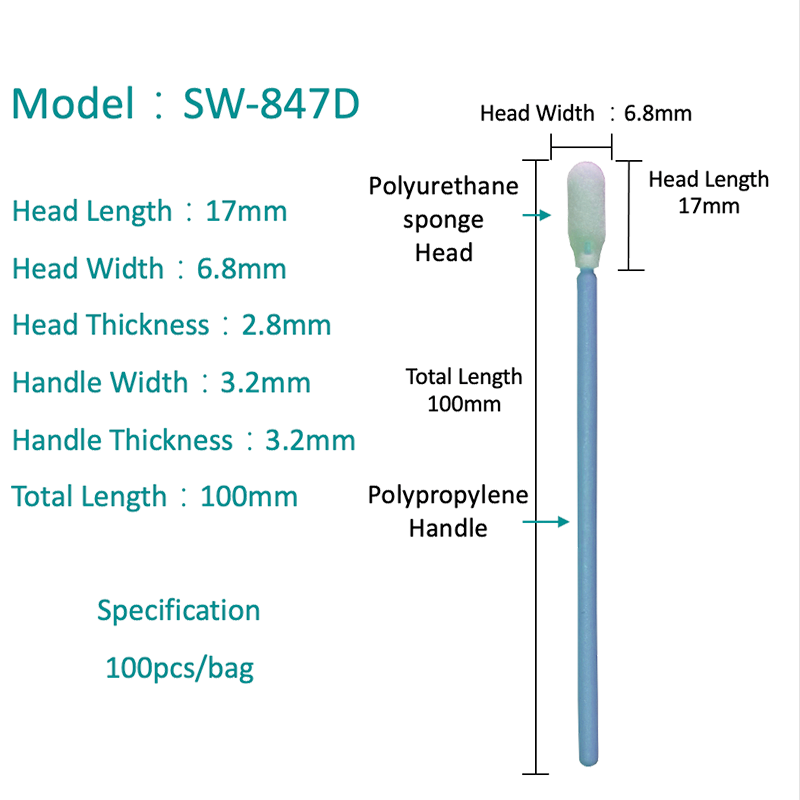
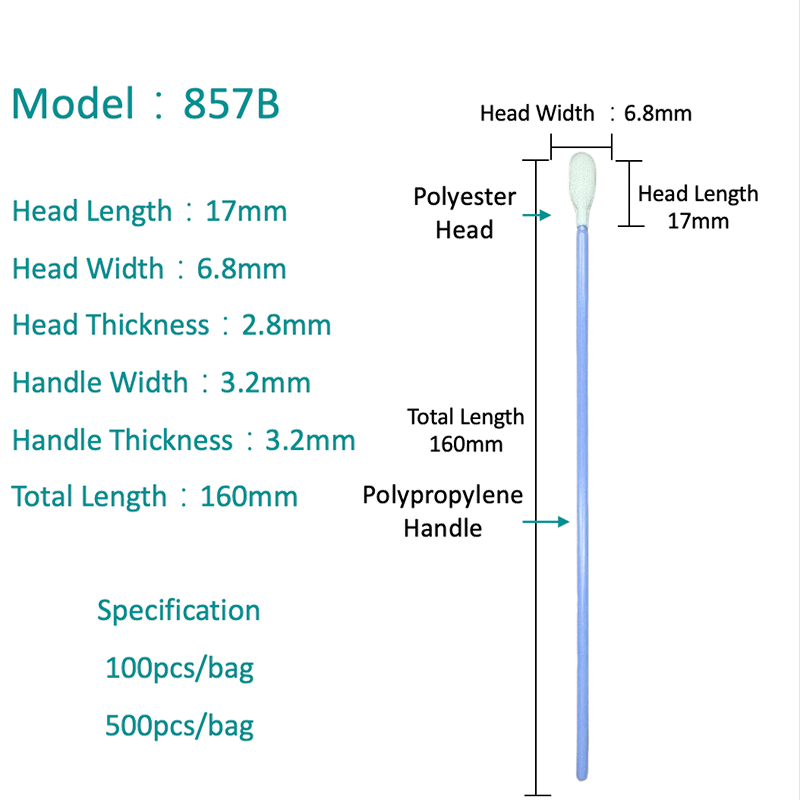
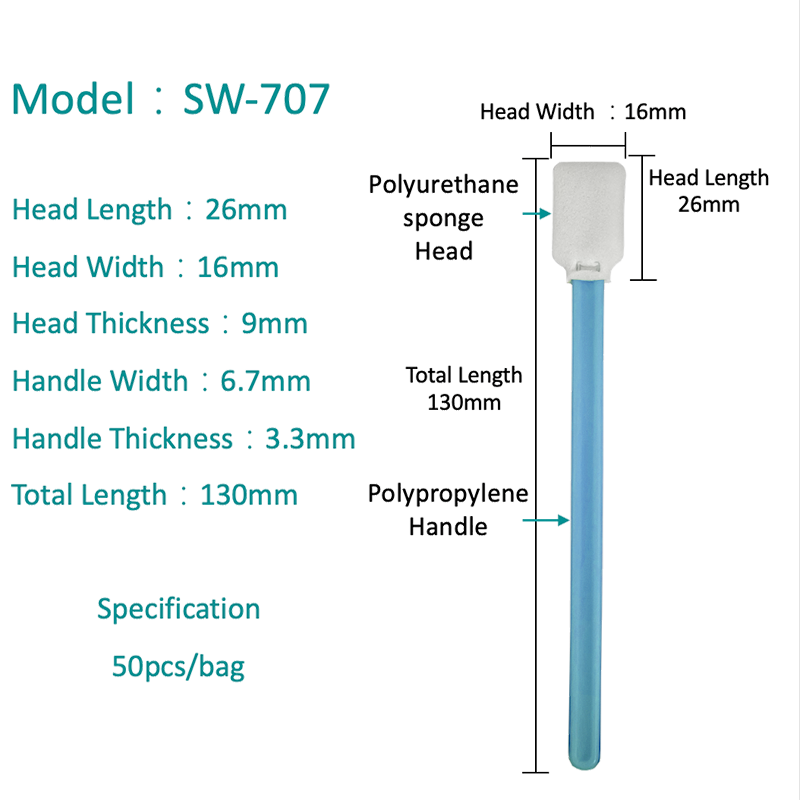
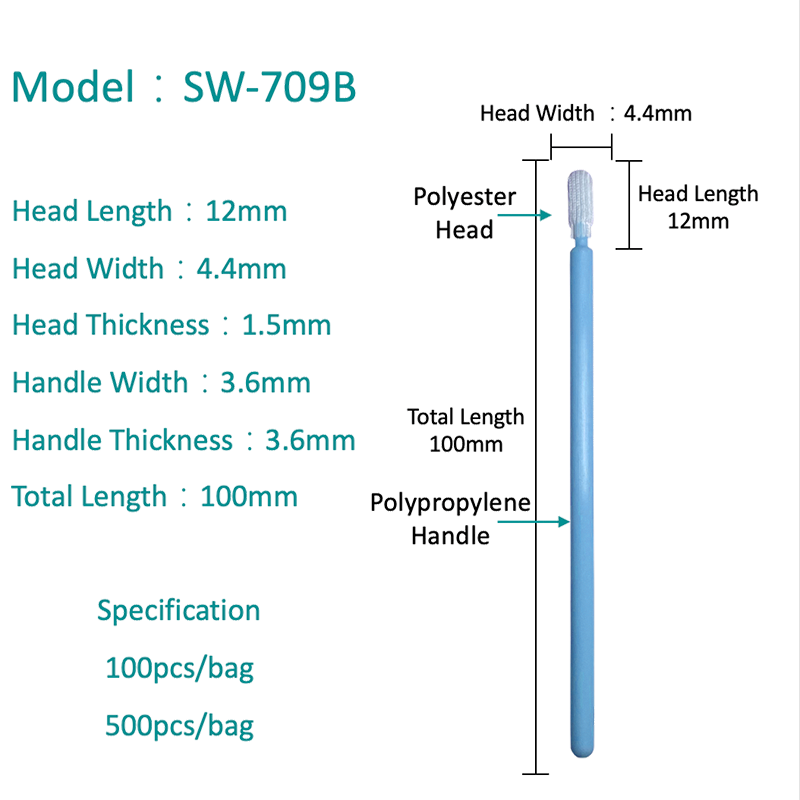
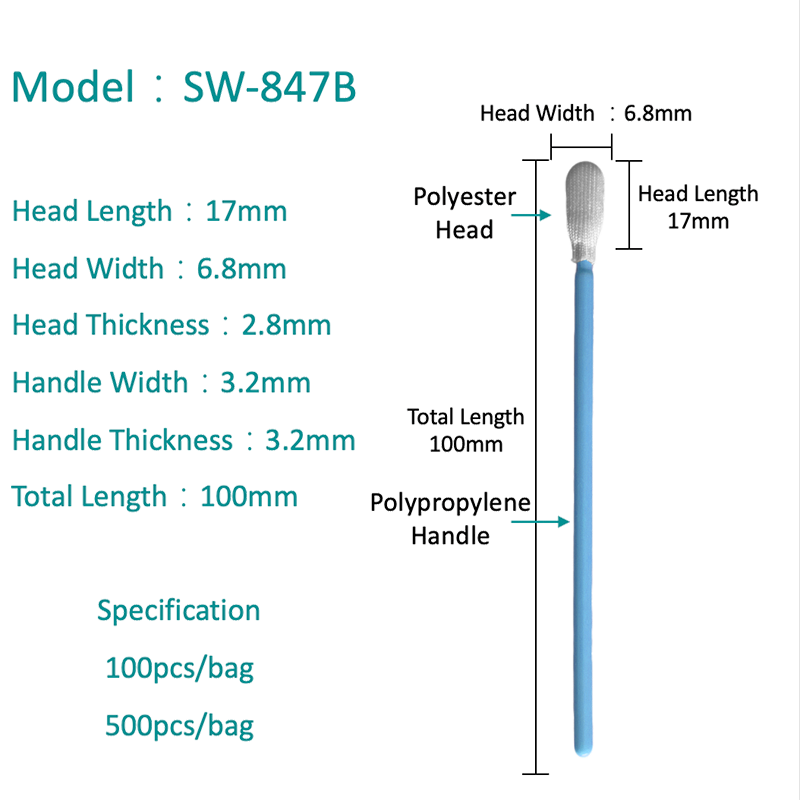
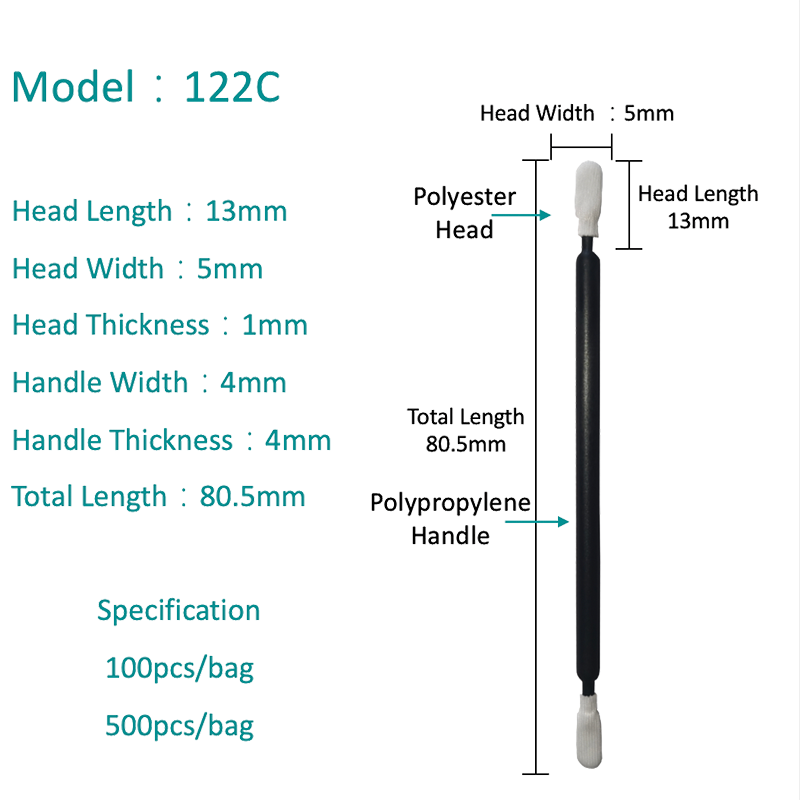
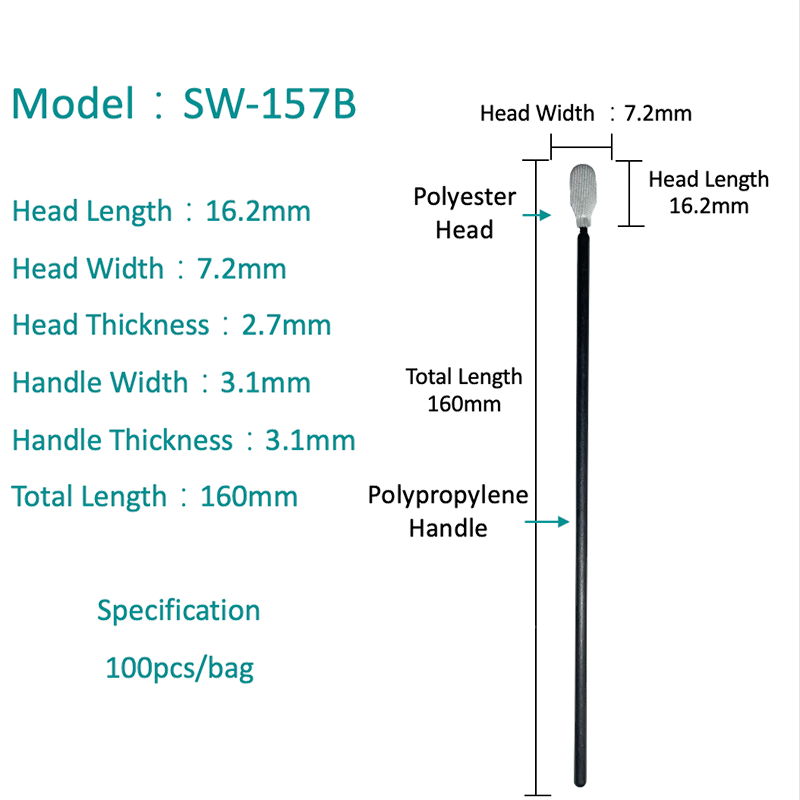
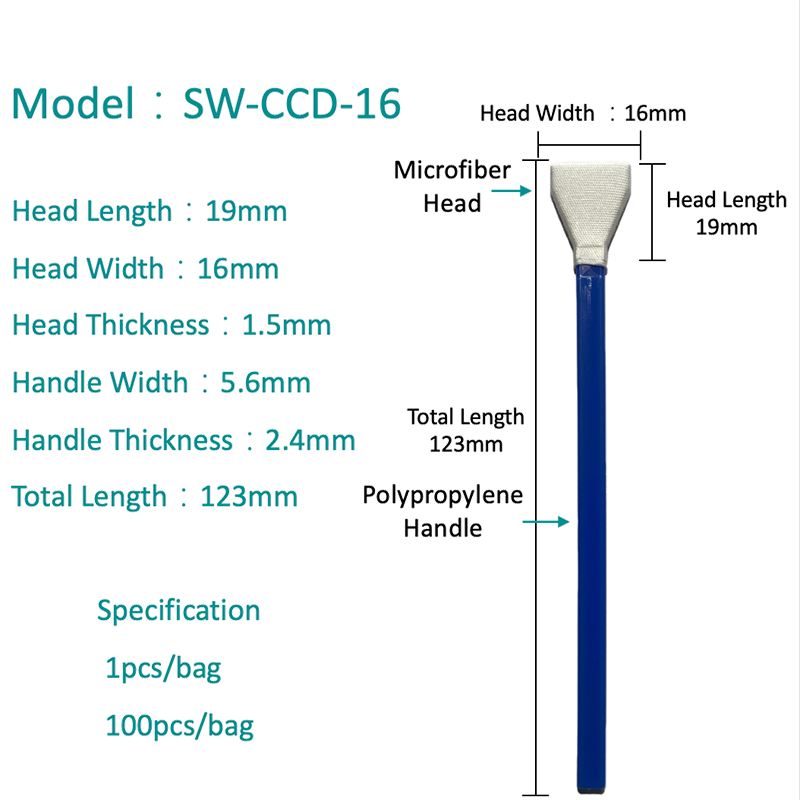
- Handle material matters too — polypropylene handles are lightweight and add minimal particulate or organic contamination compared to wood or standard plastic
- Lot testing and manufacturing in a controlled environment are worth confirming with any supplier, since a swab manufactured outside a controlled setting can introduce the very contamination it's meant to prevent
- RoHS compliance and ATP-free certification are common requirements for buyers supplying regulated electronics or medical device manufacturers

 ADDRESS
 CONTACT
 FAX
FAX EMAIL
EMAIL
